
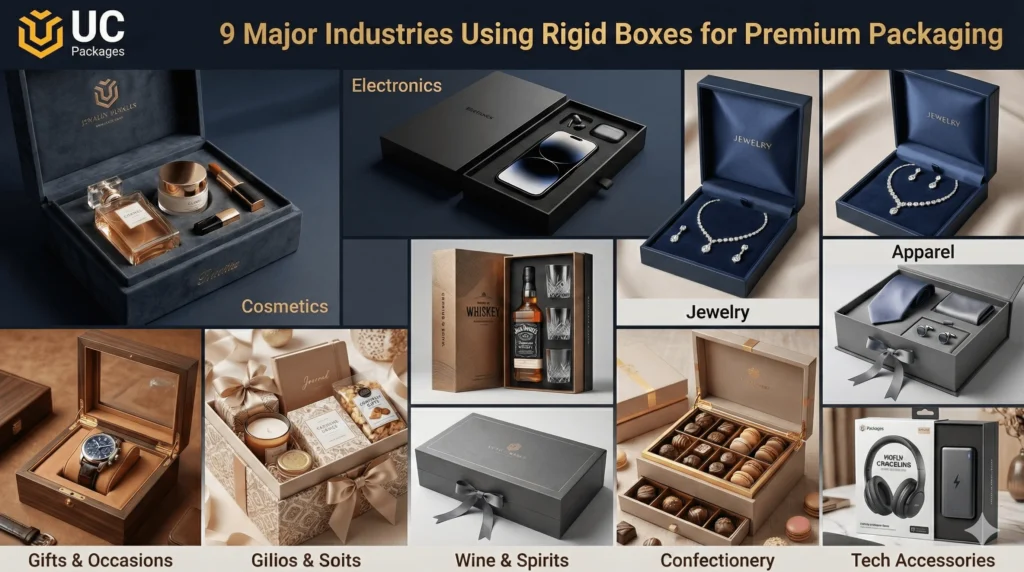
Rigid box packaging – sturdy, non-collapsible boxes often used for high-end products – has become a staple across many sectors. These boxes, also known as setup boxes, are constructed from thick paperboard that doesn’t fold, offering superior durability and a luxury feel.
Businesses worldwide (particularly in Australia) are investing in rigid boxes to elevate their unboxing experiences and protect valuable goods. In fact, the Australian rigid box market was about USD 3.2 billion in 2024 and is projected to reach USD 5.1 billion by 2033, growing ~6% annually. Analysts attribute this surge to rising demand for premium, brand-enhancing packaging in industries like cosmetics and luxury consumer goods. Simply put, rigid boxes are booming because they merge form and function – delivering on aesthetics, strength, and even sustainability.
Why Choose Rigid Box Packaging?
Rigid boxes offer a combination of benefits that set them apart from standard folding cartons or flimsy packs:
- Exceptional Protection & Quality: Their solid construction shields products from impacts and environmental damage. This is crucial for delicate or expensive items (e.g. electronics, perfumes, glassware) that must arrive in perfect condition. Unlike flexi-packaging, a rigid box’s sturdy walls and often custom inserts keep contents secure and pristine.
- Premium Look and Feel: With substantial weight and smooth finishes, rigid boxes immediately signal luxury. The unboxing ritual – lifting a well-crafted lid or unfolding a magnetic closure – creates anticipation and enhances perceived value. Many brands leverage this to justify premium pricing, knowing customers equate high-quality packaging with high-quality products.
- Branding & Design Flexibility: Rigid boxes can be wrapped in custom-printed paper, embossed with logos, finished with foil, or outfitted with unique textures. This flexibility allows brands to create distinctive packaging that reinforces their identity on store shelves. From iconic Tiffany blue jewelry boxes to Apple’s minimalist device boxes, design plays a marketing role. Advanced printing and finishing (spot UV, embossing, etc.) on rigid surfaces produce striking visuals that stand out in retail displays.
- Consumer Experience & Storytelling: The structured format of rigid packaging lends itself to creative presentation. Companies include compartments, ribbon pulls, and layered reveals inside boxes to choreograph the unboxing experience. Especially in the age of social media, an impressive unboxing (often shared via videos) doubles as free advertising. Tech giants, for instance, have turned device unboxing into an art form as part of their marketing strategy.
- Sustainable Material & Reusability: Most rigid boxes are made from paperboard, which is usually recyclable and often made of recycled fibers. In Australia and globally, there’s a push for recyclable or reusable packaging by 2026. Rigid boxes fit this trend by eliminating excessive plastics – they’re sturdy enough to be kept and reused (for storage or gifting) rather than immediately discarded. Brands can further enhance sustainability by using eco-friendly inks or biodegradable linings. (Notably, some manufacturers even use wooden rigid boxes and plant a tree for each one produced. This alignment with green initiatives means companies can deliver luxury while meeting environmental targets.
Rigid boxes tick all the boxes – protection, presentation, and prestige – which is why so many industries are embracing them. Below, we highlighted a list of 9 major industries worldwide (with an emphasis on Australia) that leverage rigid box packaging, along with what they package and example brands leading the way.
9 Industries That Rely on Rigid Box Packaging
To demonstrate how versatile and popular rigid boxes have become, we’ve compiled a list of nine key industries using this packaging, their typical use cases, and notable example brands.
| Industry | Common Rigid Box Uses | Example Brands/Products |
| Luxury Goods | High-end jewelry, watches, accessories | Rolex, Tiffany & Co., Louis Vuitton |
| Consumer Electronics | Smartphones, laptops, gadgets | Apple, Samsung |
| Beauty & Cosmetics | Perfume bottles, skincare sets, makeup palettes | Chanel, Dior, Estée Lauder |
| Food & Confectionery | Gourmet chocolates, sweets, specialty foods | Godiva, Haigh’s Chocolates (AU) |
| Wine & Spirits | Fine wines, premium liquor bottles, gift sets | Penfolds Grange, Dom Pérignon |
| Fashion & Apparel | Luxury shoes, designer clothing & accessories | Gucci, Prada |
| Home & Lifestyle | Scented candles, home décor items, stationery | Jo Malone (candles), Montblanc (pens) |
| Toys & Games | Board games, puzzles, collectible toy sets | Hasbro (Monopoly), Ravensburger |
| Corporate Gifting | Corporate gift hampers, PR/influencer kits | Custom-branded client gift boxes |
Each of these sectors values rigid boxes for slightly different reasons. Let’s dive into how each industry uses rigid packaging to its advantage:
1. Luxury Goods (Jewelry & Watches)
Luxury brands thrive on exclusivity and exquisite presentation. For products like jewelry, watches, and high-end accessories, the packaging is almost as important as the item itself. Rigid boxes are the go-to solution here, providing a sophisticated exterior and often a plush interior (velvet or satin inserts) to cradle precious items.
The sturdy construction protects delicate watches or gemstones, but equally crucial, it amplifies the unboxing ceremony – lifting the lid on a Rolex or Tiffany piece is a memorable experience by design. Brands like Rolex, Tiffany & Co., and Louis Vuitton famously utilize custom rigid boxes to enhance perceived value and align with their upscale brand identities. The weighty feel and meticulous detail (embossed logos, signature colors) of these boxes signal to the buyer that they’ve purchased something truly special.
In Australia, jewelers and luxury boutiques mirror this approach; for example, an opal necklace from an Australian boutique might come in a beautiful rigid presentation box to delight tourists and locals alike. The rigid box thus serves both as protection for these precious goods and as a brand ambassador, conveying quality before the product is even revealed.
2. Consumer Electronics & Tech
The electronics industry frequently uses rigid packaging for smartphones, tablets, laptops, and high-end gadgets. These products are fragile and high-value, so protection during shipping and handling is paramount. A well-designed rigid box with foam or molded inserts can prevent damage from drops or pressure – something thin cardboard cannot guarantee. Tech leaders Apple and Samsung have long used rigid two-piece boxes for flagship devices.
Unboxing a new phone has even become a viral phenomenon; consumers appreciate the premium feel when sliding the top off an iPhone box, for instance. Beyond aesthetics, tech companies choose rigid boxes to securely house accessories (chargers, earbuds) in neat compartments, ensuring a tidy presentation.
The box often features glossy prints or a minimalistic design to match the brand’s image (think of Apple’s clean white boxes or high-contrast graphics on a gaming phone box). An added benefit: customers often keep these boxes for storage or resale of the device, meaning the branding on the box continues to live in the customer’s home. In markets like Australia, where e-commerce electronics sales are strong, rigid packaging also provides peace of mind for online orders – a solid box reduces the risk of transit damage across long distances. Overall, in consumer electronics, rigid boxes offer optimal protection for delicate circuitry and a polished unboxing that reinforces the innovation inside.
A modern smartphone and its rigid two-piece box. Tech brands use rigid packaging to protect devices and create a premium unboxing experience.
3. Beauty & Cosmetics
In the beauty and cosmetics world, packaging plays a critical role in conveying a product’s luxury and allure. High-end perfumes, skincare creams, makeup palettes, and cosmetic gift sets are often packaged in elegant customized rigid boxes. These not only safeguard glass bottles and delicate powders but also serve as a canvas for brand storytelling. For example, a prestige perfume might come in a rigid box adorned with artistic prints and a satin lining that hints at the fragrance’s mood. Top brands like Estée Lauder, Chanel, and Dior use rigid boxes for their perfumes and cream sets to ensure the product arrives in immaculate condition and looks visually stunning on the vanity.
The rigidity prevents leaks or breaks, while the exterior design (embossed patterns, logos, even textured paper resembling leather or silk) reinforces a high-quality image. In Australia’s cosmetics market, consumers are likewise drawn to luxe packaging – local and international brands offer holiday cosmetic coffrets or skincare kits in sturdy boxes that can be repurposed as keepsake boxes.
Sustainability is emerging here too: some beauty brands choose recyclable rigid boxes or even removable inserts so customers can reuse the box for storage. Ultimately, rigid packaging in cosmetics elevates the sensory appeal – it’s the first thing a buyer sees and touches, creating anticipation for the product itself. As one packaging expert noted, other packaging often fails to “glorify” cosmetic products the way rigid boxes do, which is why this industry remains a major user of rigid boxes.
A luxury cosmetic gift box (e.g., by Dior) exemplifies how rigid packaging adds elegance. Beauty brands use rigid boxes to protect delicate products and offer an exclusive unboxing.
4. Food & Confectionery (Gourmet Foods)
Gourmet food producers and confectioners turn to rigid boxes to reflect the quality of their treats. When customers buy upscale chocolates, artisanal candies, or specialty food gifts, they expect packaging that’s as premium as the product. Rigid boxes provide that upscale look and sturdy protection for often perishable or fragile goodies.
For instance, fine chocolate assortments (like those from Godiva) come in rigid setup boxes, sometimes with separate compartments for each chocolate piece. This not only prevents the chocolates from crushing or mixing flavors, but it also presents them almost like jewelry in a display – enticing and elegant. In Australia, a brand like Haigh’s Chocolates (a renowned chocolatier) uses rigid boxes for selection packs, especially around holidays, underscoring the gift-worthy nature of their sweets.
Beyond chocolates, consider luxury tea samplers, gourmet biscuits, or wedding cakes: a rigid box can maintain freshness (with an inner food-safe lining) and shield the contents from heat or mishandling. The visual appeal is key too – rich colors, foil accents, or heritage artwork on a rigid box help convey the story of a heritage bakery or deluxe snack. Moreover, when food items are given as corporate or personal gifts, a rigid box makes the offering feel substantial and thoughtful. The protection aspect isn’t trivial either; delicate macarons or premium dried fruits are less likely to be damaged in transit inside a firm box. By using rigid packaging, gourmet food brands effectively marry form and function – delivering treats that arrive intact and make a grand impression upon opening.
Premium assorted chocolates presented in a rigid box. Gourmet confectionery brands use rigid boxes to protect delicate sweets and signal high quality.
5. Wine & Spirits
For fine wines, aged whiskeys, and luxury spirits, packaging is part of the prestige. High-end bottles are often nestled in rigid presentation boxes or cases, transforming them into ready-made gifts. A rigid box for wine or liquor typically includes a strong exterior (often with a textured paper or even wood veneer) and a fitted interior mold or satin bed to hold the bottle securely.
This protects the glass bottle from breakage and shields it from light – important for wines. But just as importantly, it elevates the product’s status. For example, Dom Pérignon champagne is famously sold in an elegant rigid box, underscoring its luxury positioning.
In Australia, premium wineries like Penfolds offer certain vintages (e.g. Grange or St Henri) in rigid gift boxes or even wooden cases for collectors. Whiskey brands, too, from Scottish single malts to Australian boutique distilleries, use rigid boxes or tubes for limited editions. Consider the appeal: a customer unboxing a special edition whisky experiences unwrapping the rigid box, often revealing branded tissue or information booklets – it’s ceremonial. For retailers, these boxes also provide a larger surface for branding and storytelling (tasting notes, winery history) that wouldn’t fit on a bottle label.
From a practical angle, the robust packaging reduces the chance of expensive leakage or damage during shipping (a big plus for exporters sending Australian wines abroad). Some spirit boxes even have magnetic closures or double doors for dramatic effect. All in all, rigid boxes help the wine & spirits industry deliver a luxury experience and secure protection in one package. As a testament, even packaging manufacturers cite “high end liquor brands” as key clients for custom rigid boxes – it’s a pairing that’s likely to continue aging well.
6. Fashion & Apparel
In the fashion industry, presentation is crucial. High-end apparel brands use rigid boxes to package everything from designer shoes and handbags to bespoke clothing and accessories. Unlike poly bags or foldable cartons, a finely crafted box offers a boutique unboxing experience that aligns with luxury price tags. For example, a pair of luxury shoes (Jimmy Choo heels or high-end sneakers) often comes in a branded rigid shoe box with tissue wrap and sometimes a dust bag inside – the entire package feels indulgent. Brands such as Gucci and Prada utilize rigid boxes for items like wallets, belts, or silk scarves, not just for protection but to reinforce their premium image.
The box itself becomes a keepsake; many customers repurpose nice fashion boxes for storage or decor, which means the brand name stays visible in their home (extended marketing value!). In Australia, luxury fashion retailers and even couture bridal shops employ rigid garment boxes for delivering gowns or suits, protecting them from crushing and adding to the moment when the client opens it. These boxes often have neat design touches: maybe a magnetic flap, a ribbon tie, or a foil-stamped logo that exudes elegance.
Branding opportunities abound – a minimalist white box with a bold logo can be as iconic as the product (think of Tiffany’s robin-egg blue box in jewelry or Hermes’ orange boxes; similarly, a fashion house’s signature color and pattern on a rigid box become part of its identity). Moreover, rigid boxes provide excellent support for apparel during transit, preventing items from getting wrinkled or mishandled. For fashion subscription services or high-end online orders, a durable box ensures that a silk dress or tailored jacket arrives in showroom condition. In summary, in fashion and apparel, rigid boxes are like the red carpet for the product – ensuring it arrives in style and safety.
7. Home & Lifestyle Goods (Candles, Décor, etc.)
Even everyday consumer goods can get a luxury boost from rigid packaging. In the home & lifestyle sector, products such as scented candles, upscale home décor pieces, premium stationery or notebooks, and gift-worthy housewares often come in rigid boxes. The idea is to add a touch of elegance to items that might otherwise be basic. Take scented candles: a high-end candle (with fine fragrances or a designer collaboration) is commonly sold in a rigid box, sometimes with a lift-off lid or a matchbox-like slide drawer. This not only protects the glass candle jar from chipping but also positions the candle as a luxury gift item.
Brands like Jo Malone or Diptyque are known for their beautiful candle boxes – customers often keep them long after the candle is finished.
According to one packaging source, items like candles, home decor, and even stationery are often packaged in rigid boxes to enhance perceived value and safeguard them during shipping. For example, a delicate ceramic décor piece or a set of gourmet dinner candles in Australia might be packed in a sturdy box with custom foam inserts, ensuring it survives the journey to the customer’s home.
Premium pen sets or journals (think Montblanc pens or luxury planners) also use rigid cases to underscore their quality – untying a ribbon on a pen’s rigid gift box feels far more special than opening a plastic blister pack. Additionally, the robustness of rigid packaging in this category means products reach consumers in perfect condition, which in turn **boosts customer satisfaction and brand loyalty. In a world where consumers are inundated with choices, that extra bit of polish in packaging can make a home or lifestyle product stand out as the perfect gift or a worthwhile splurge.
A luxury scented candle and its matching rigid box. Home fragrance brands use rigid boxes to give products an upscale presentation and to protect glass and wax contents.
8. Toys & Games
The toys and games industry might not immediately come to mind for luxury packaging, but it’s a significant user of rigid boxes—especially for board games, puzzles, and collectible items. Think about classic board games: the two-piece rigid setup box is essentially the standard (e.g., Monopoly, chess sets, Scrabble). These games come with many pieces and need to be stored securely; a collapsible carton would wear out quickly. A rigid box, however, endures years of use, allowing families to enjoy the game over and over.
In fact, board game manufacturers design their packaging as part of the product – sturdy corners, an organized interior insert for cards and tokens, and bold graphics on a rigid lid. One packaging reference notes that two-piece setup boxes are “most commonly used” in family game packaging, underlining how entrenched they are in this industry. Beyond traditional games, puzzles (especially those 1000-piece ones) use rigid boxes to keep pieces from getting lost and to display artwork on the cover.
The collectible toy segment (like limited-edition action figures or trading card sets) also leverages rigid boxes to increase perceived value – for example, a high-end collectible doll or a special edition Pokémon card set may come in a rigid display box to thrill collectors. Even some video game special editions (which include figurines or art books) use rigid presentation boxes. In Australia, companies producing premium jigsaw puzzles or educational games for children opt for durable boxes that can survive rough play and long-term storage.
The use of rigid packaging here is as much about practicality as it is about presentation: parents appreciate a solid box that can be shelved neatly, and kids get the excitement of a well-presented game. By using rigid boxes, toy and game makers ensure that from the moment of unboxing to years down the line, the product remains organized, protected, and appealing.
Classic board games like Monopoly come in durable rigid boxes. Sturdy packaging protects game components and adds to the lasting appeal of toys and games.
9. Corporate & Promotional Gifting
When it comes to corporate gifts, PR packages, and influencer kits, first impressions are everything. Companies often invest in custom rigid boxes to make their promotional packages stand out and survive the journey to VIP recipients. Imagine a tech firm sending a holiday gift to top clients: instead of a simple shipping carton, they’ll present the goodies in a bespoke rigid hamper box with the company logo, perhaps a magnetic closure, and a tailored foam insert for each item (e.g. a branded mug, a USB drive, gourmet snacks).
This kind of packaging signals “you’re a valued partner” to the recipient. Rigid boxes are ideal here because they offer a premium, branded presentation and ensure items (which can range from delicate swag to bottles of wine) are well-protected in transit. Influencer and PR kits – say, a new product launch sent to media – often arrive in creative rigid boxes as well. These might feature unique shapes or interactive opening experiences to delight influencers and encourage them to share on social media. For instance, a cosmetics company launching a line might send bloggers a rigid box that unfolds to reveal products arrayed with descriptive cards, all held in place securely.
Manufacturers note that they produce a lot of “high end influencer send-out kits and corporate gifting boxes” using rigid construction, showing how popular this approach is. In Australia, too, businesses and event organizers use rigid boxes for welcome kits or milestone gifts – a startup hub might give new members a rigid “welcome pack” box with merchandise and info, or a university might present graduates with alumni gifts in a nice box.
The reasons are clear: a rigid box elevates the perceived value of the contents (even modest items feel special in a fancy box), carries branding elegantly, and can be customized inside and out to fit the occasion. Plus, these boxes often have a keepsake quality; the recipient might reuse it, keeping the brand in mind. In summary, for corporate and promotional gifting, rigid boxes are the secret sauce that turns a simple gift into a memorable experience.
Final Opinion: Rigid Boxes as a Packaging Game-Changer
From luxe boutiques to tech giants to gourmet sweet shops, an increasing array of industries are relying on rigid box packaging to deliver quality and delight. In our 2025 overview, we see that what started as a hallmark of luxury goods has become a cross-industry best practice for premium product presentation. Especially in markets like Australia, where sustainable, high-end packaging is in growing demand, rigid boxes strike an ideal balance between sturdiness, aesthetics, and eco-friendliness. They protect products through rough supply chains and, at the same time, enchant customers with beautiful design and an immersive unboxing.
For brands, investing in rigid boxes can yield returns in the form of enhanced brand perception, customer satisfaction, and even word-of-mouth buzz (who hasn’t kept a particularly nice box or shared an unboxing video?).
And for B2B buyers looking to impress clients or consumers, rigid packaging sends a message of quality and care. As sustainability targets loom, we can expect innovations like recycled materials and reusable designs to make rigid boxes even more attractive in the years ahead. The bottom line is clear: rigid box packaging isn’t just a container – it’s a strategic tool.
By understanding how various industries use rigid boxes to solve their unique challenges (whether it’s fragile components or the need for a luxury feel), businesses can apply those insights to elevate their own packaging. In a competitive global market, a well-crafted rigid box could be the difference between a product that’s memorable and one that’s forgettable.
Frequently Asked Questions (FAQs)
What exactly is a “rigid box” in packaging?
A rigid box (also called a set-up box) is a non-collapsible cardboard box known for its sturdy structure. Unlike flat-folding cartons, rigid boxes are made from thick paperboard that is permanently glued into shape (often with paper or fabric wrap). They don’t fold flat. This gives them exceptional durability, a premium heft, and often a high-end finish. Common examples include smartphone boxes, luxury gift boxes, and high-end shoe boxes. Essentially, whenever you see a solid, reusable box (like an iPhone box or a designer watch box), that’s a rigid box.
Why do brands use rigid boxes instead of cheaper packaging?
Brands choose rigid boxes to enhance both protection and perceived value. The thick construction shields delicate or expensive products (electronics, glass, etc.) much better than thin packaging – reducing breakage and returns. At the same time, the look and feel of a rigid box conveys luxury and quality, which can justify premium pricing and leave a stronger impression on customers. The rigid format also allows for creative designs – custom prints, embossing, magnetic lids – that elevate branding. In short, rigid boxes offer a superior unboxing experience and robust protection, helping products stand out in a crowded market.
Which industries benefit the most from rigid box packaging?
Many industries use rigid boxes, but the most common include luxury goods (jewelry, watches), consumer electronics (phones, gadgets), cosmetics & beauty (perfumes, skincare), gourmet food and spirits (chocolates, fine wines), fashion apparel (shoes, accessories), home décor items (candles, ornaments), toys & games (board games, collectibles), and corporate/promotional gifting. These sectors either have high-value items that need extra protection, or they rely on premium presentation to attract customers – often both.
Are rigid boxes environmentally friendly?
Yes, generally, most rigid boxes are made from paperboard (a form of cardboard), which is recyclable and often contains recycled material. This makes them a more eco-friendly choice than plastic clamshells or foam packaging. Many brands and markets (like Australia) are pushing for fully recyclable or reusable packaging by 2025, which rigid paper boxes can satisfy. Moreover, because rigid boxes are sturdy and often kept by consumers (for storage or re-gifting), they have a longer life before recycling, effectively reducing waste.
Some innovative rigid boxes use sustainable materials like recycled fibers, and companies have even introduced programs (e.g., planting a tree for each wooden rigid box sold) to offset impact. However, not all rigid boxes are 100% green – those with magnets, plastic windows, or foam inserts may need components removed before recycling. The good news is that packaging designers are increasingly making rigid boxes with mono-material construction (all paper) so they’re easier to recycle and align with sustainability goals.
How do rigid boxes improve the customer or unboxing experience?
Rigid boxes can transform unboxing into a memorable event. The tactile feel of a well-crafted box, the reveal as you lift the lid, the presentation of items nestled inside – it all adds excitement and perceived value. Customers often associate heavier, well-built packaging with higher quality goods.